
Eye Drops Recalled: 7 Critical Facts You Must Know
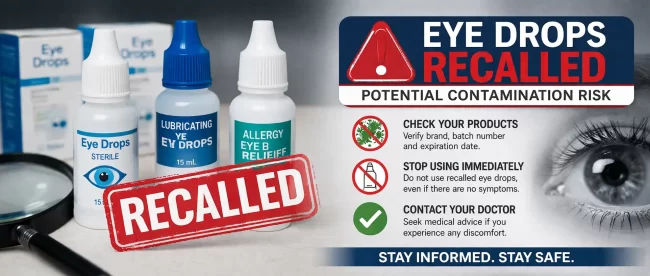 Several eye drop brands have been recalled due to contamination risks.
Eye Drops Recalled: What Consumers Should Know
Eye Drops Recalled alerts have become increasingly common, raising serious concerns among consumers, healthcare providers, and regulators. If you use eye drops regularly—whether for dry eyes, allergies, or infections—these recalls are not something to ignore. They highlight potential risks that could affect your vision and overall eye health.
In this article, we break down what’s behind these recalls, the risks involved, and what steps you should take right now to stay safe.
Understanding the Recent Eye Drops Recalled Alerts
Over the past few years, multiple brands of eye drops have been pulled from shelves due to safety issues. These recalls are often initiated after reports of contamination, manufacturing defects, or labeling problems.
The U.S. Food and Drug Administration has been at the center of monitoring these cases, issuing warnings when products pose potential health risks.
Most recalls fall into a few key categories:
- Microbial contamination (including bacteria and fungi)
- Sterility failures during manufacturing
- Unapproved or unsafe ingredients
- Packaging defects that allow contamination
In some cases, the consequences have been severe, including infections that led to partial vision loss or hospitalization.
What Triggered These Eye Drops Recalls?
Contamination Concerns
One of the most alarming reasons for eye drops recalled notices is bacterial contamination. Eye drops are meant to be sterile, and any contamination can introduce harmful microorganisms directly into the eye.
Certain outbreaks have been linked to drug-resistant bacteria, making infections harder to treat.
Manufacturing Failures
Inadequate quality control in production facilities has also played a major role. When sterile conditions are not properly maintained, entire batches can become unsafe.
This has pushed regulators to tighten oversight and enforce stricter compliance measures across pharmaceutical manufacturers.
Improper Packaging
Some recalls stem from packaging issues—such as bottles that are not sealed correctly. Even a small defect can allow bacteria to enter after opening.
Health Risks Linked to Recalled Eye Drops
Using contaminated or defective eye drops can lead to serious complications. These risks vary depending on the type of contamination and the user’s health condition.
Many cases of eye drops recalled have been linked to serious infections and contamination risks.
Common Symptoms to Watch For
If you’ve used a product that was later recalled, monitor for:
- Redness or irritation
- Eye pain or discomfort
- Blurred vision
- Discharge from the eye
- Sensitivity to light
Severe Complications
In more serious cases, infections can lead to:
- Corneal damage
- Permanent vision loss
- Systemic infections (in rare cases)
These outcomes are uncommon but highlight why recalls must be taken seriously.
How to Check If Your Eye Drops Are Recalled
With so many products on the market, it can be confusing to know whether your eye drops are affected.
Here’s how to check:
- Visit the official FDA recall page
- Look for your product name and brand
- Check batch numbers and expiration dates
- Contact your pharmacist if unsure
You can also stay updated by reading alerts from trusted health organizations or subscribing to safety notifications.
What To Do If You Have Recalled Eye Drops
If you are affected by eye drops recalled alerts, stop using the product immediately.
Immediate Steps
- Stop using the product immediately
- Do not attempt to “finish the bottle”
- Follow disposal instructions provided in the recall notice
Seek Medical Advice
If you experience any symptoms, consult a healthcare professional as soon as possible. Early treatment can prevent complications.
Report Any Issues
Consumers are encouraged to report adverse effects through official channels like the FDA’s MedWatch program. This helps authorities track and respond to safety issues faster.
Why Eye Drop Safety Matters More Than Ever
The growing number of eye drops recalled cases reflects broader challenges in pharmaceutical manufacturing and global supply chains.
With increased demand for over-the-counter eye care products, more manufacturers have entered the market. While this improves accessibility, it also increases the risk of quality inconsistencies.
Consumers should be more vigilant than ever when choosing and using eye care products.
How to Choose Safe Eye Drops
Being proactive can significantly reduce your risk.
Eye care is also an important part of your overall routine, especially during hot seasons—similar to the strategies shared in summer skincare tips for healthy skin.
Look for Trusted Brands
Stick with well-established manufacturers that follow strict quality standards.
Check Packaging Carefully
Before using any eye drops:
- Ensure the seal is intact
- Avoid bottles that appear damaged
- Do not use expired products
Avoid Sharing Eye Drops
Sharing increases the risk of contamination and infection.
Store Properly
Always follow storage instructions. Some eye drops require specific temperatures to remain effective and safe.
The Role of Regulatory Oversight
Regulatory bodies like the FDA play a critical role in protecting public health. However, recalls often happen after products have already reached consumers.
This highlights the importance of both:
- Strong regulatory enforcement
- Consumer awareness and vigilance
Industry Response and Future Outlook
The recent wave of recalls has prompted manufacturers to reassess their processes. Many companies are investing in:
- Improved sterilization technologies
- Enhanced quality control systems
- Better supply chain transparency
Experts believe these changes will reduce future incidents, but ongoing monitoring remains essential.
Final Thoughts
The rise in eye drops recalled alerts is a reminder that even everyday health products can carry risks. While recalls can be alarming, they also demonstrate that safety systems are working to identify and address problems.
Staying informed, checking your products, and acting quickly when needed can protect your vision and overall health.
FAQ
Are all eye drops unsafe right now?
No, only specific brands and batches are affected. Most eye drops on the market remain safe when used correctly.
How do I know if my eye drops are contaminated?
You may not be able to tell visually. Always rely on official recall notices and stop using products listed there.
Can recalled eye drops cause permanent damage?
In rare cases, yes. Severe infections can lead to vision loss, which is why early action is critical.
Should I throw away recalled eye drops immediately?
Yes, but follow proper disposal instructions mentioned in the recall notice.
Where can I find official recall updates?
You can check updates from the FDA and other trusted health organizations regularly.

Leave a comment