
Tree Service and Lawn Care: The Complete Guide to a Healthier, Safer Yard
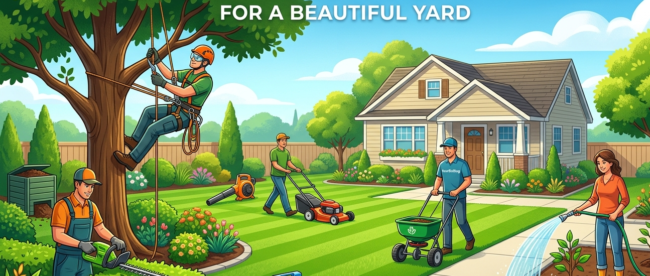 Expert tree service and lawn care improves curb appeal and protects your landscape investment.
Tree service and lawn care play a major role in maintaining a beautiful, safe, and valuable home environment. Whether you want stronger curb appeal, healthier trees, or a greener lawn that thrives year-round, the right maintenance strategy makes all the difference.
Many homeowners underestimate how closely trees and lawns affect each other. When properly maintained together, they create a balanced landscape that boosts property value, improves outdoor comfort, and prevents costly damage.
In this guide, you’ll learn practical, professional-level strategies to help your yard stay healthy, attractive, and easy to manage.
How Tree Service and Lawn Care Work Together
Trees and lawns are not separate landscape elements. They depend on each other more than most homeowners realize.
Proper tree service helps:
- prevent excessive shade damage to grass
- reduce falling branch hazards
- improve soil nutrients through healthy root systems
- maintain balanced moisture levels
Meanwhile, strong lawn care supports:
- erosion prevention around tree bases
- root stability
- improved water absorption
- overall yard aesthetics
When these services are handled together, your landscape becomes stronger and easier to maintain long term.
If you’re planning a full outdoor upgrade, combining both services is often part of a broader home landscaping improvement strategy that increases both comfort and resale value.
Key Benefits of Professional Tree Service and Lawn Care
Professional maintenance offers advantages beyond appearance alone.
1. Stronger Tree Health
Routine trimming removes weak branches and improves airflow through the canopy. This reduces disease risk and helps trees grow properly.
Healthy trees:
- live longer
- resist storms better
- require fewer emergency repairs
2. Greener and Thicker Grass
Balanced fertilization and mowing schedules allow grass to grow evenly without stress.
Professional lawn care prevents:
- patchy growth
- weed invasion
- soil compaction
- nutrient imbalance
Over time, your lawn becomes naturally resilient.
3. Improved Property Safety
Overgrown branches can damage roofs, vehicles, and power lines. Weak limbs may fall during storms without warning.
Routine tree inspections help identify:
- cracked limbs
- unstable trunks
- root lifting
- pest damage
This proactive approach reduces repair costs significantly.
4. Higher Property Value
Landscaping improvements consistently rank among the most cost-effective home upgrades.
A maintained yard signals:
- responsible ownership
- structural safety
- neighborhood appeal
- long-term property care
Many buyers make decisions within seconds based on outdoor appearance alone.
Essential Tree Service Tasks Every Homeowner Should Schedule
Tree care should follow a seasonal strategy instead of a once-a-year cleanup.
Tree Trimming and Pruning
- shapes growth
- removes dead branches
- improves sunlight flow
- prevents structural weakness
Regular trimming keeps trees balanced and visually attractive.
Tree Health Inspection
Professional inspections detect early warning signs like:
- fungal growth
- insect damage
- trunk cavities
- leaning patterns
Early detection prevents expensive removals later.
Emergency Branch Removal
Storm-damaged branches must be handled quickly before they become hazards.
Emergency tree service protects:
- roofing structures
- parked vehicles
- walkways
- fences
Preventative maintenance reduces the need for urgent repairs.
Lawn Care Practices That Make the Biggest Difference
Many homeowners mow regularly but overlook the deeper maintenance steps that actually improve lawn quality.
True lawn care involves soil health, moisture balance, and seasonal adjustments.
Smart Mowing Techniques
Cutting grass too short weakens root systems.
Instead:
- keep blades sharp
- mow consistently
- avoid removing more than one-third of grass height
- adjust cutting height seasonally
These small changes create stronger turf quickly.
Seasonal Fertilization Strategy
Grass requires different nutrients throughout the year.
Balanced fertilization supports:
- root growth
- color improvement
- drought resistance
- weed prevention
Timing matters as much as fertilizer quality.
Aeration for Root Strength
Soil compaction prevents water and oxygen from reaching grass roots.
Aeration improves:
- drainage
- nutrient absorption
- root expansion
- turf thickness
This is one of the most overlooked lawn upgrades with the biggest impact.
If you’re exploring ways to simplify yard maintenance routines, structured home maintenance planning systems help ensure seasonal tasks stay on schedule.
Common Tree Service and Lawn Care Mistakes to Avoid
Even well-intentioned homeowners sometimes damage their landscape without realizing it.
Avoid these frequent issues:
Overwatering
Too much water weakens grass and promotes fungal growth.
Signs include:
- soggy soil
- yellowing patches
- shallow roots
Consistency matters more than quantity.
Incorrect Tree Pruning Timing
Pruning during active growth seasons can stress trees.
Most species benefit from trimming during dormant months.
Always confirm seasonal timing before cutting.
Ignoring Root Zones
Heavy equipment or frequent foot traffic around tree bases compresses soil and damages roots.
Protect root areas with:
- mulch rings
- defined walking paths
- limited equipment use
Healthy roots equal healthier trees.
Choosing the Right Tree Service and Lawn Care Provider
Selecting the right professional support makes a noticeable difference in long-term results.
Look for providers who offer:
- scheduled maintenance programs
- safety-focused pruning methods
- soil testing services
- pest management options
- seasonal treatment plans
A full-service provider ensures trees and lawns grow together instead of competing for resources.
Many homeowners combine landscaping upgrades with property value improvement projects to maximize long-term investment returns.
Seasonal Tree Service and Lawn Care Calendar
A simple yearly schedule helps homeowners stay ahead of problems.
Spring
Best time for:
- fertilization
- lawn repair
- pruning preparation
- pest inspection
Summer
Focus on:
- watering consistency
- mowing adjustments
- disease monitoring
- branch stability checks
Fall
Ideal for:
- aeration
- overseeding
- structural pruning
- root strengthening
Winter
Perfect season for:
- dormant pruning
- tree inspections
- planning landscape upgrades
- preparing maintenance schedules
Following this cycle keeps maintenance manageable year-round.
Long-Term Landscaping Results Start With Consistency
Healthy landscapes are built through routine care rather than occasional cleanup.
Consistent tree service and lawn care improve:
- outdoor comfort
- safety levels
- neighborhood appeal
- resale value
- environmental balance
Even small maintenance improvements compound over time into dramatic visual results.
Whether you handle tasks yourself or hire professionals, staying consistent is the single most important step toward a stronger and more beautiful yard.
E. FAQ SECTION
How often should tree service and lawn care be scheduled?
Most lawns benefit from weekly mowing during peak seasons and quarterly fertilization. Tree inspections are typically recommended once or twice per year.
Is professional tree service necessary for small yards?
Yes. Even small properties can experience branch hazards, root damage, or tree disease that requires expert evaluation.
When is the best time to prune trees?
Late fall through winter is usually ideal because trees are dormant and less vulnerable to stress.
Can lawn care improve property value?
Yes. A well-maintained lawn significantly improves curb appeal, which directly influences buyer perception and resale potential.
Should tree roots be covered with grass?
No. Tree bases should remain protected with mulch instead of grass to prevent moisture competition and root stress.



Leave a comment