
Trump Pope: 7 Key Moments That Shaped Their Relationship
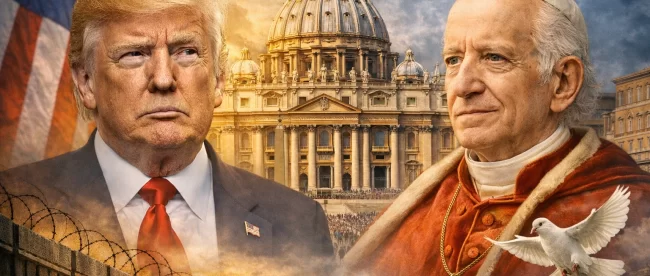 A historic meeting between Donald Trump and Pope Francis
Trump Pope relations have been one of the most talked-about intersections of politics and religion in recent history. The dynamic between Donald Trump and Pope Francis has ranged from public disagreement to cautious diplomacy, capturing global attention.
Their interactions reflect deeper tensions between nationalism and global humanitarian values—two powerful forces shaping today’s world. This article breaks down the defining moments, what they mean, and why the Trump Pope relationship still matters.
Table of Contents
Overview of the Trump Pope Dynamic
At first glance, the Trump Pope relationship seemed destined for friction. On one side, a U.S. president known for strict immigration policies and nationalist rhetoric. On the other, a pope advocating for compassion, climate action, and global unity.
From the beginning, their differences were not just political—they were philosophical.
1. The Border Wall Controversy
One of the earliest flashpoints came during Trump’s 2016 campaign.
Pope Francis made headlines when he suggested that building walls instead of bridges was “not Christian.” Though he didn’t mention Trump directly at first, the message was clear.
Trump responded publicly, calling the remarks “disgraceful.”
This moment set the tone for what many would see as a broader ideological clash:
- Immigration vs. humanitarian openness
- National security vs. global responsibility
2. The Historic Vatican Meeting
Despite tensions, diplomacy prevailed when Trump visited the Vatican in May 2017.
The meeting between Trump and Pope Francis was highly symbolic. While the photos showed polite smiles, observers noted the seriousness of the interaction.
Key takeaways from the meeting:
- Discussions included climate change, peace, and migration
- The Pope gifted Trump a copy of his climate encyclical
- The tone was respectful but reserved
This moment demonstrated that even amid disagreement, dialogue remained possible.
3. Climate Change Differences
Climate policy became another major point of divergence.
Pope Francis has been a strong advocate for environmental responsibility, particularly through his encyclical Laudato Si’. Meanwhile, Trump’s administration withdrew the U.S. from the Paris Climate Agreement.
This contrast highlighted:
- The Pope’s global moral leadership
- Trump’s America-first policy framework
For readers exploring leadership styles, this contrast echoes themes discussed in AI in business decision-making, where values often shape outcomes as much as data.
4. Immigration and Refugee Policies
Immigration remained a central issue throughout Trump’s presidency.
Pope Francis consistently emphasized compassion for migrants and refugees, urging nations to welcome and protect them.
Trump’s policies, including travel bans and stricter border enforcement, stood in stark contrast.
This divergence wasn’t just political—it reflected competing worldviews:
- Human dignity vs. national control
- Global solidarity vs. domestic prioritization
5. Religious Freedom and Christianity
Interestingly, Trump and Pope Francis found some overlapping ground on religious issues.
Trump positioned himself as a defender of Christianity, particularly in the U.S. However, Pope Francis emphasized a broader, more inclusive interpretation of faith.
The difference lies in tone:
- Trump: protection-focused
- Pope Francis: compassion-focused
This nuance reveals how the same value—religion—can be interpreted in vastly different ways.
6. Global Influence and Leadership Styles
The Trump Pope relationship also reflects two very different leadership models.
Donald Trump:
- Direct, confrontational communication
- Focus on national interests
- Transactional diplomacy
Pope Francis:
- Moral persuasion and soft power
- Emphasis on global cooperation
- Focus on long-term humanitarian goals
7. Public Perception and Media Coverage
Media coverage of Trump and Pope Francis often amplified their differences.
Photos, quotes, and soundbites became viral moments, shaping public opinion worldwide.
Notable trends:
- The Pope was often portrayed as a moral counterbalance
- Trump was framed as a disruptor challenging global norms
This media dynamic influenced how millions interpreted their relationship.
The Broader Impact of the Trump Pope Relationship
The Trump Pope dynamic goes beyond two individuals. It reflects larger global conversations about:
- The role of religion in politics
- The balance between nationalism and globalism
- Leadership in a divided world
These themes remain highly relevant today, especially in discussions around global governance and ethics.
Lessons from the Trump Pope Era
Several key lessons stand out:
1. Dialogue Matters
Even strong disagreements don’t eliminate the need for communication.
2. Values Shape Policy
Policies are often rooted in deeper beliefs—not just strategy.
3. Leadership Styles Influence Outcomes
How leaders communicate can be just as important as what they decide.
4. Public Perception Drives Influence
Media narratives can significantly impact global opinion.
Final Thoughts
The Trump Pope relationship remains a fascinating case study in modern leadership, diplomacy, and ideological contrast. While their differences were clear, their interactions also showed the importance of engagement across divides.
In a world increasingly shaped by competing values, the lessons from Trump and Pope Francis continue to resonate—reminding us that leadership is not just about power, but perspective.
FAQ SECTION
What did Pope Francis say about Donald Trump?
Pope Francis criticized the idea of building walls instead of bridges, which was widely interpreted as a critique of Trump’s border wall policy.
Did Trump and the Pope meet in person?
Yes, Donald Trump met Pope Francis at the Vatican in May 2017 during an official visit.
Do Trump and Pope Francis agree on any issues?
They share some common ground on religious freedom but differ significantly on immigration and climate change.
Why is the Trump Pope relationship important?
It highlights the intersection of politics, religion, and global values, offering insights into modern leadership and diplomacy.


Leave a comment