
Charlie Kirk Shooting Suspect Lawyers Challenge Evidence
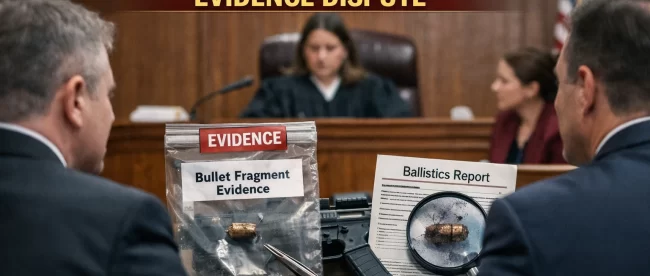 Legal teams debate forensic evidence ahead of preliminary hearing
Overview of the Case and New Legal Challenge
Charlie Kirk shooting suspect lawyers are intensifying their defense strategy ahead of a critical preliminary hearing, raising serious questions about key forensic evidence—specifically a bullet fragment central to the prosecution’s case.
The case has drawn national attention as Charlie Kirk shooting suspect lawyers continue to challenge the credibility of forensic findings presented by prosecutors.
The high-profile case stems from the fatal shooting of Charlie Kirk in September 2025 at Utah Valley University. The accused, Tyler Robinson, faces aggravated murder charges and the possibility of the death penalty if convicted.
Now, as the legal process moves toward a preliminary hearing, the defense is zeroing in on inconsistencies in ballistic evidence—an issue that could significantly influence how the case unfolds.
Charlie Kirk Shooting Suspect Lawyers Question Bullet Evidence
At the center of the latest legal filings is a crucial piece of forensic evidence: a bullet fragment recovered during the autopsy.
According to defense attorneys, a report from the Bureau of Alcohol, Tobacco, Firearms and Explosives (ATF) could not conclusively match the fragment to the rifle allegedly linked to Robinson.
This revelation introduces uncertainty into one of the prosecution’s most critical claims—that the weapon recovered is definitively tied to the fatal shot.
Why This Matters
Ballistic evidence is often a cornerstone in homicide prosecutions. When a match is confirmed, it can strongly link a suspect to the crime. But in this case:
- The fragment’s condition may limit conclusive testing
- The ATF findings are reportedly “inconclusive”
- Additional testing is now being conducted by the FBI
For the defense, this creates an opportunity to argue reasonable doubt early in the process.
Charlie Kirk Shooting Suspect Lawyers Strategy Ahead of Hearing
The legal team representing Robinson is not only questioning the evidence but also seeking more time to review it.
They have formally requested a delay of the preliminary hearing, citing:
- The massive volume of evidence (reportedly hundreds of thousands of files)
- The complexity of forensic analysis
- The need for independent expert review
In fact, reports indicate the defense may push for several months of additional preparation time.
This aligns with broader defense tactics often used in high-stakes criminal cases—especially those involving potential capital punishment.
The Role of Ballistics in Modern Trials
To understand the significance of this dispute, it helps to look at how ballistics functions in criminal investigations.
Ballistics experts typically analyze:
- Bullet fragments
- Rifling patterns
- Gun barrel markings
- Trajectory and impact deformation
However, when a bullet is fragmented or damaged—as appears to be the case here—the ability to match it to a specific weapon becomes far more difficult.
Charlie Kirk shooting suspect lawyers argue that the uncertainty surrounding the bullet fragment raises serious doubts about the prosecution’s claims.
Challenges with Fragmented Evidence
Fragmentation can occur due to:
- High-impact velocity
- Ricochet off surfaces
- Structural deformation upon entry
This challenge highlights how modern investigative methods are evolving, similar to developments discussed in AI in military advantages and risks, where data interpretation plays a crucial role.
This is precisely the issue now being highlighted by the defense.
Prosecution’s Position and Remaining Evidence
Despite the dispute over the bullet fragment, prosecutors still maintain they have a strong case.
Key elements reportedly include:
- DNA evidence linking Robinson to the firearm
- Text messages suggesting intent
- Witness and forensic accounts tying him to the scene
However, the defense has already challenged some of these points, arguing that:
- DNA evidence involves multiple contributors
- Context around alleged messages may be disputed
- Forensic conclusions remain incomplete
This evolving back-and-forth is typical in complex criminal trials, where each side seeks to weaken the credibility of the other’s evidence.
Despite this, Charlie Kirk shooting suspect lawyers maintain that the available evidence does not conclusively prove their client’s involvement.
Media Attention and Courtroom Strategy
The case has drawn intense media coverage, prompting additional legal maneuvers from the defense.
Among them:
- Requests to limit or ban cameras in court
- Efforts to restrict public access to certain evidence
- Concerns about jury bias due to widespread publicity
A judge has already ruled on some of these issues, including denying requests to fully seal documents.
Still, the defense continues to argue that excessive media exposure could compromise the fairness of the trial.
Timeline: What Happens Next
The upcoming hearing will play a crucial role in determining whether the case proceeds to trial.
Key upcoming developments include:
- A court session addressing media access
- A decision on delaying the preliminary hearing
- Potential presentation of expert testimony on ballistics
If the court grants a delay, the timeline could extend significantly, giving both sides more time to refine their arguments.
Broader Implications of the Evidence Dispute
This case highlights a broader issue within the criminal justice system: the reliability and interpretation of forensic evidence.
Ballistics, while powerful, is not always definitive—especially when:
- Evidence is incomplete
- Testing results are inconclusive
- Multiple interpretations are possible
For readers interested in similar legal analysis, you can explore how forensic disputes shape outcomes in forensic evidence in criminal cases or how courts evaluate scientific proof in how courts evaluate evidence.
Legal and Public Impact
The outcome of this dispute could have major consequences:
- If the evidence is deemed unreliable, it could weaken the prosecution’s case
- If strengthened through further testing, it may reinforce the charges
- Either way, it will shape pre-trial negotiations and courtroom strategy
Cases like this also influence public perception of justice, particularly when they involve high-profile victims and politically charged contexts. Legal outcomes often follow patterns seen in DUI cases in America, where the interpretation of evidence can significantly impact verdicts.
For deeper insight into high-profile trials, see high-profile criminal cases analysis and death penalty legal process explained.
Final Thoughts
The decision by Charlie Kirk shooting suspect lawyers to challenge the bullet fragment evidence underscores just how pivotal forensic details can be in a criminal case.
As the hearing approaches, the court will need to weigh:
- The reliability of current forensic findings
- The defense’s request for more time
- The prosecution’s readiness to proceed
What happens next will not only determine the direction of this case but may also set important precedents for how contested forensic evidence is handled in future trials.
FAQ
What is the main argument of the defense lawyers?
They argue that the bullet fragment cannot be conclusively matched to the alleged weapon, raising doubts about key forensic evidence.
Why is the bullet fragment important?
It is central to linking the suspect to the shooting. If the match is inconclusive, it weakens the prosecution’s case.
Will the hearing be delayed?
The defense has requested a delay, but the judge has not yet made a final decision.
What other evidence exists against the suspect?
Prosecutors cite DNA evidence, text messages, and witness accounts, though these are also being challenged.
Could this affect the trial outcome?
Yes. If the evidence is ruled unreliable, it could significantly impact the prosecution’s ability to secure a conviction.
Leave a comment